Published on November 13, 2025 at 2:00 PMUpdated on November 13, 2025 at 2:00 PM
Are you wondering what religion the Amish follow? The Amish follow a unique branch of Christianity known as Anabaptism, a faith tradition that shapes every aspect of their way of life. Understanding what religion the Amish follow helps explain why they value simplicity, humility, community, and obedience to God. Their faith isn’t just part of their identity, it defines their daily routines, family relationships, community structure, and worldview.
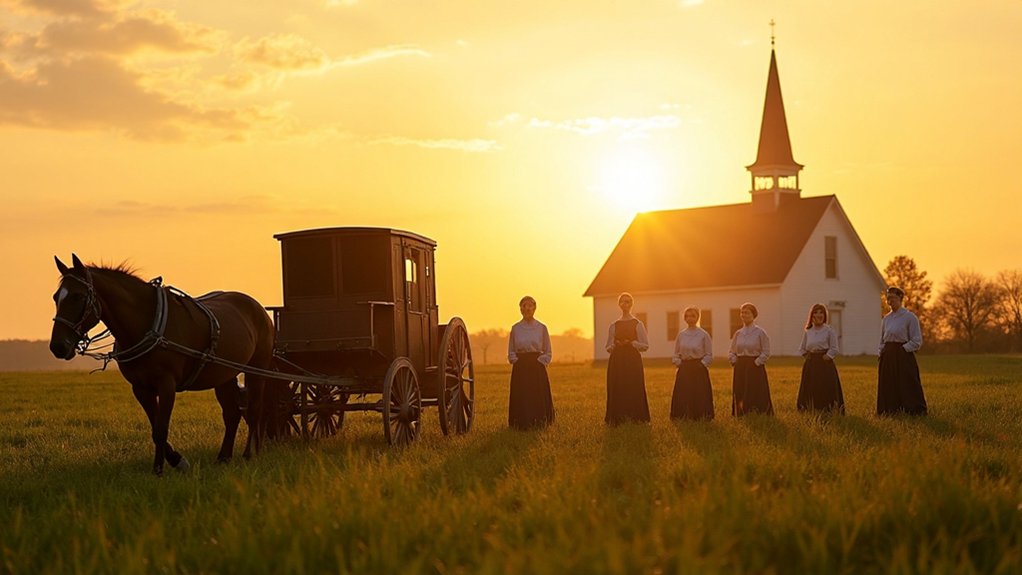
What religion do the Amish follow? (image: Abpray)
If you want to learn more about what religion the Amish follow and how their beliefs guide their traditions, lifestyle, and culture, this article breaks everything down in a clear and complete way.
When you begin understanding Amish beliefs, you uncover a rich Christian heritage built on faith, humility, and devotion to God. One of the most important Amish beliefs is the idea of Gelassenheit, a German term meaning surrender or submission. This concept encourages living a quiet, humble life, accepting God’s will, and prioritizing the community over individual desires.
Another core part of understanding Amish beliefs is recognizing their commitment to adult baptism. According to Anabaptist teachings, baptism should be a conscious decision made by adults who fully understand the responsibilities of Christian faith. This separates the Amish from many other Christian denominations that practice infant baptism.
Family is also central to Amish faith. Strong family structure, mutual support, and respect for elders are essential. Understanding these values helps explain why Amish communities work together so closely and maintain their traditions so faithfully.
The Role of Community in Amish Faith
The role of community in Amish faith is one of the most defining aspects of their religion. For the Amish, faith is not lived individually, it is lived collectively. Worship services are held in homes rather than church buildings, reinforcing the idea that community comes first.
Several practices highlight the role of community in Amish faith:
Shared worship services rotate from house to house.
Collective decision-making ensures unity and prevents division.
Mutual aid supports any member in need—financially, emotionally, or physically.
Traditional gatherings like barn raisings strengthen social bonds and express their religious values of cooperation and service.
Because of this, the Amish experience a strong sense of belonging. Each person contributes to the well-being of the group, and the group supports each individual in return. The community’s shared faith becomes the foundation of daily life.
Anabaptism: The Religious Roots of the Amish
To understand what religion the Amish follow, you must understand Anabaptism. Emerging during the Protestant Reformation, Anabaptism emphasized:
Adult baptism
Living apart from worldly influences
Nonviolence and pacifism
Serving others through acts of love and humility
These principles became the foundation of Amish beliefs. The Amish broke away from other Anabaptist groups to maintain a stricter, more traditional interpretation of the faith. Today, Anabaptism remains at the core of Amish religion, influencing daily choices, community rules, and moral expectations.
The focus on resisting worldly temptations explains why many Amish groups avoid modern technology. They believe certain conveniences might weaken family bonds, encourage pride, or distance them from God.
Practices and Rituals of the Amish
The Amish way of life is shaped by unique Amish practices and rituals that reflect their religious devotion. These rituals help preserve their faith across generations and maintain unity throughout their communities.
Key Amish practices and rituals include:
Daily Prayer and Bible Reading
Amish families pray together regularly and emphasize living according to Scripture rather than debating it.
Adult Baptism
Considered one of the most meaningful commitments, baptism signifies a lifelong dedication to God and community.
Communion Services
Held twice a year, these lengthy gatherings include prayer, confession, reconciliation, and foot washing, symbolizing humility.
The Ordnung
The Ordnung is a set of unwritten rules that guides clothing, technology use, moral behavior, and community expectations. It reflects their religious values and keeps the community unified.
Rumspringa
Young people experience a period of limited freedom before deciding whether to join the Amish church. This choice highlights individual responsibility and spiritual maturity.
Through these Amish practices and rituals, members express commitment to a lifestyle rooted in faith, obedience, and communal harmony.
Differences Between the Amish and Other Christian Denominations
When comparing the Amish vs other Christian denominations, several key distinctions stand out. The Amish share core Christian beliefs such as faith in Jesus Christ and the authority of Scripture, but they differ significantly in lifestyle, traditions, and church practices.
Here are the main differences between Amish vs other Christian denominations:
Technology Use
Many Christian groups use technology freely, but the Amish evaluate each innovation carefully, accepting only what aligns with their religious values.
Worship Style
Amish worship is simple, held in homes, and without musical instruments or elaborate structures. Other Christian churches may use modern music, media, and large buildings.
Community vs Individuality
Amish faith emphasizes collective identity, while many Christian denominations focus on individual relationships with God.
Pacifism
The Amish strictly practice nonresistance, avoiding all violence, including military service.
Separation From the World
The Amish believe in protecting their communities from worldly influence, creating a lifestyle distinct from mainstream society.
These factors make the comparison of Amish vs other Christian denominations especially interesting for anyone studying Christian diversity.
The Impact of Religion on Amish Lifestyle
The Amish lifestyle is inseparable from Amish religion. Their beliefs shape everything they do—from farming choices to clothing styles to how they raise their children.
The impact of religion on Amish lifestyle can be seen in:
Simple clothing that prevents pride
Horse-and-buggy transportation that keeps the community close-knit
Large families built on cooperation and shared responsibilities
Traditional work practices such as woodworking, farming, and handicrafts
Decision-making through religious leadership
Faith guides every major choice. For the Amish, religion isn’t just something they practice—it’s something they live every day.
Conclusion
The Amish follow a deeply rooted form of Christianity known as Anabaptism, a faith that emphasizes simplicity, obedience, humility, and community. Understanding what religion the Amish follow reveals why their lifestyle is so distinctive and why they remain committed to preserving their traditions. Their beliefs influence their homes, families, work, and relationships with the outside world.
By learning about Amish beliefs, Amish practices, Anabaptist roots, and the differences between the Amish vs other Christian denominations, you gain a clearer picture of how faith shapes every part of Amish life. Their devotion to God and community is what keeps their culture strong, united, and enduring across generations.