Published on August 31, 2025 at 2:00 PMUpdated on August 31, 2025 at 2:00 PM
Mindfulness meditation has become one of the most powerful and accessible practices for individuals seeking spiritual growth, emotional balance, and a deeper connection to the sacred. At its core, mindfulness meditation encourages you to anchor your attention in the present moment, observing thoughts and sensations without judgment. This intentional awareness creates space for spiritual insight, inner peace, and a more compassionate outlook on life. For many, mindfulness meditation becomes a gateway into spiritual awakening, a slow, gentle unfolding that reveals deeper layers of consciousness and purpose.
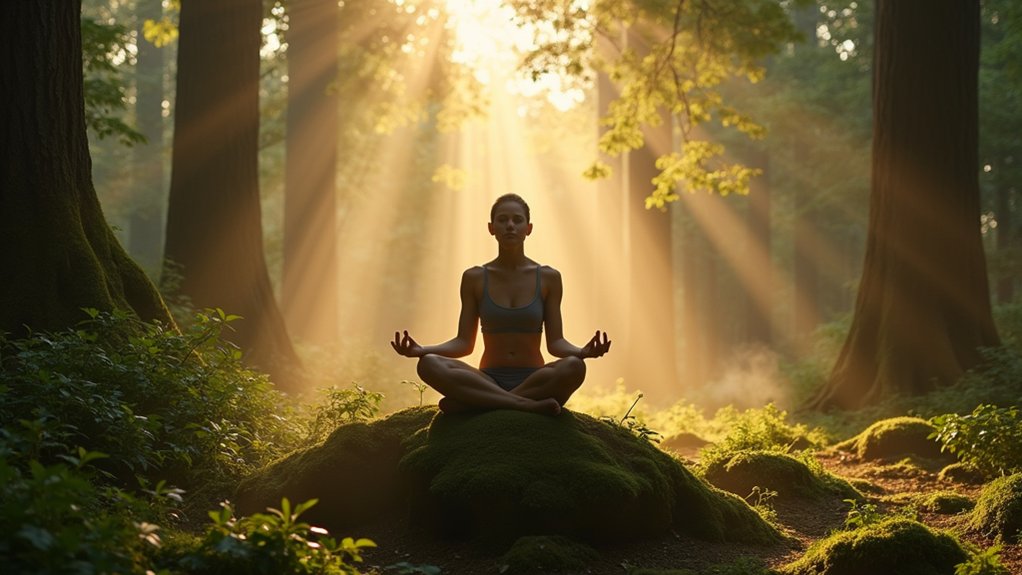
Mindfulness meditation offers a structured approach to cultivating spiritual awareness. (Image: AbPray)
As spiritual awakening becomes a more widely explored topic, the interest in mindfulness meditation techniques for spiritual awareness continues to grow. These techniques are not simply mechanical exercises. Instead, they offer a path toward understanding your inner landscape and aligning your mind, body, and spirit. The journey requires patience, consistency, and self-compassion, but the rewards, clarity, emotional resilience, and spiritual connection—are profound. Below, we explore several essential mindfulness meditation practices that support spiritual evolution, help calm the mind, and deepen your connection to the present moment.
Understanding the Basics of Mindfulness Meditation
Before exploring more advanced practices, it is important to understand what mindfulness meditation truly is. Mindfulness meditation is the practice of paying attention—deliberately and without judgment—to your thoughts, sensations, and emotions as they arise. Rather than getting caught in mental stories or emotional reactions, you learn to observe your experience with curiosity and acceptance.
At the heart of mindfulness meditation is the belief that spiritual awareness grows naturally when the mind becomes still, open, and non-reactive. Through consistent practice, mindfulness meditation nurtures qualities such as patience, gratitude, and compassion. These spiritual qualities have been central to many religious and contemplative traditions throughout history.
People often begin mindfulness meditation to reduce stress or improve mental health, but quickly discover that the practice offers much more—it creates a pathway to spiritual presence and self-understanding. Whether you practice mindfulness meditation for five minutes a day or dive into longer sessions, the practice teaches you how to remain grounded in spiritual awareness throughout daily life.
Breathing Techniques to Enhance Spiritual Awareness
Among the most foundational tools in mindfulness meditation are breathing techniques to enhance spiritual awareness. The breath serves as both an anchor to the present moment and a bridge between the physical and spiritual self. Focusing on your breath allows you to quiet mental noise, soften anxiety, and feel more connected to your inner world.
One common technique is breath awareness, which involves simply noticing each inhale and exhale. Each time your mind wanders—and it will—you gently bring your attention back to the breath. This subtle redirection trains the mind toward patience and non-judgment.
Another effective method is rhythmic breathing, such as slowing the breath to a gentle, balanced pace. Rhythmic breathing relaxes the nervous system and creates a sense of inner stillness. That stillness becomes fertile ground for reflection, prayer, and spiritual insight.
When used consistently, these breathing techniques to enhance spiritual awareness cultivate peace, deepen mindfulness, and encourage a more intimate connection to the sacred. Even a few minutes a day can transform the way you approach challenges, relationships, faith, and inner healing.
Body Scan Meditation for Deep Inner Connection
Body scan meditation is another powerful mindfulness practice that supports spiritual awakening. This technique involves slowly guiding your attention through each part of your body, noticing sensations—warmth, tension, tingling, or stillness—without trying to change anything.
By practicing body scan meditation, you learn to reconnect with your physical body in a gentle, compassionate way. Many people carry emotional tension in the body without realizing it. As you explore each region with curiosity, you release what no longer serves you.
The emotional and spiritual benefits are profound. A regular body scan meditation practice can help:
release stored emotional tension
heighten body awareness
support emotional healing
deepen your feeling of presence
strengthen your connection to your soul
Over time, this practice nurtures groundedness, self-awareness, and a more harmonious relationship between body, mind, and spirit. It becomes easier to notice subtle spiritual insights, intuitive messages, and energetic shifts—all essential elements of a meaningful spiritual awakening.
Guided Visualization Practices for Spiritual Insight
Guided visualization is a technique that uses imagery, imagination, and intention to access deeper levels of consciousness. Unlike traditional meditation that focuses primarily on observation, guided visualization invites you to visualize peaceful environments, symbolic imagery, or spiritual scenarios that support healing and awakening.
These guided journeys allow the mind to relax while the heart opens to spiritual meaning. Whether you envision light flowing through your body, walking through a serene forest, or connecting with a spiritual symbol that resonates with your faith tradition, guided visualization deepens emotional clarity and intuitive understanding.
Benefits of guided visualization for spiritual insight include:
increased emotional clarity
enhanced intuition
deeper self-understanding
improved focus during prayer or meditation
a stronger awareness of spiritual purpose
Many people experience breakthroughs in guided visualization sessions, moments of truth, healing, or clarity that support spiritual transformation. Practiced regularly, guided visualization becomes a supportive companion on your spiritual path.
Cultivating Compassion Through Loving-Kindness Meditation
While guided visualization often reveals inner truths, loving-kindness meditation expands the heart. Also known as metta meditation, this practice focuses on generating compassion, goodwill, and empathy for yourself and others.
In loving-kindness meditation, you repeat simple phrases such as:
“May I be peaceful.”
“May I be safe.”
“May others be happy.”
“May all beings live with ease.”
By sending these heartfelt intentions outward, you soften emotional barriers and release resentment. Over time, loving-kindness meditation nurtures forgiveness, empathy, and spiritual generosity—qualities essential for spiritual awakening.
The benefits extend far beyond meditation. Loving-kindness strengthens relationships, reduces negative emotions, and helps cultivate a compassionate worldview. For anyone exploring spirituality or religious practice, loving-kindness meditation offers a grounded, heartfelt pathway into deeper spiritual connection.
Conclusion
Mindfulness meditation techniques offer a gentle, transformative path toward spiritual awakening. Through breath awareness, body scan meditation, guided visualization, and loving-kindness meditation, you build inner clarity, emotional balance, and a deeper connection to the present moment.
These tools help you move beyond surface-level thinking and into a place of spiritual insight and intentional living. As you explore these mindfulness meditation techniques consistently, your inner world becomes more peaceful, compassionate, and spiritually aligned. Whether you’re seeking emotional healing, spiritual clarity, or a stronger connection to the sacred, these practices support a meaningful, grounded, and transformative awakening journey.