Published on November 18, 2025 at 6:00 PMUpdated on November 18, 2025 at 6:00 PM
Exploring Jewish identity is a fascinating and complex journey, as it encompasses both ethnicity and religion, creating a unique, multi-dimensional sense of belonging. Jewish identity is shaped not only by religious beliefs but also by cultural traditions, family heritage, and a shared history spanning thousands of years. This intricate blend makes Jewish identity more than just a label, it is a living, evolving connection to community, ancestry, and spiritual practice.
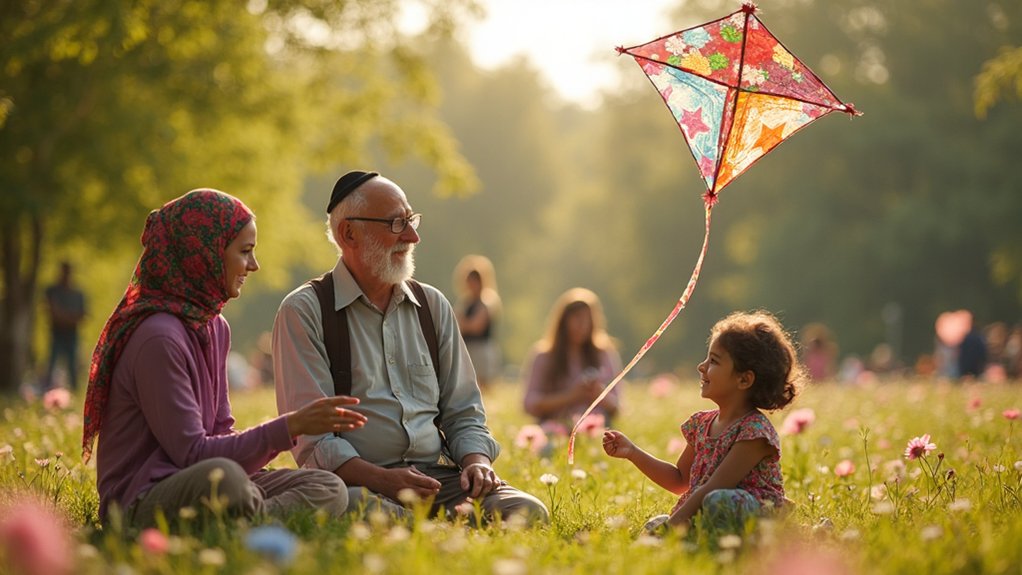
Is being Jewish an ethnicity or religion? (image: Abpray)
Understanding Jewish identity requires attention to several interwoven aspects: the ethnic roots of Jewish communities, the spiritual practices that guide everyday life, and the cultural traditions and holidays that foster a sense of shared heritage. By engaging with each of these dimensions, you can gain a deeper appreciation for Jewish identity, whether you are exploring it for personal growth, educational purposes, or a connection to a broader cultural and religious community.
Jewish identity is deeply tied to ethnic and cultural origins, which reflect centuries of history and migration. The Jewish people are traditionally divided into three primary ethnic groups: Ashkenazi, Sephardi, and Mizrahi Jews, each with unique customs, languages, and traditions that contribute to the richness of Jewish culture.
Ashkenazi Jews: Originating in Central and Eastern Europe, Ashkenazi Jews developed distinct cultural practices, including the Yiddish language, unique religious liturgies, and traditional foods like challah and matzo ball soup. Their history includes periods of both prosperity and hardship, from flourishing communities in medieval Europe to the tragedies of the Holocaust, which shaped modern Ashkenazi Jewish identity.
Sephardi Jews: Sephardi Jews trace their roots to Spain, Portugal, and parts of North Africa. They are known for their Ladino language, musical traditions, and culinary specialties. Sephardi Jewish practices often incorporate local customs while maintaining adherence to Jewish law, reflecting a harmonious blend of cultural adaptation and religious devotion.
Mizrahi Jews: Originating from the Middle East, North Africa, and parts of Asia, Mizrahi Jews preserve liturgical practices and customs influenced by the societies in which they lived. They emphasize community-oriented worship, storytelling, and oral traditions that have helped maintain Jewish continuity through generations.
By exploring these ethnic roots, one can appreciate both the diversity within Jewish identity and the shared values that unite Jewish communities worldwide. Understanding ethnic heritage helps illuminate how history, migration, and culture shape religious practice, language, and communal life in Jewish communities.
The Spiritual Aspects of Being Jewish
Central to Jewish identity are its spiritual and religious practices, which provide a framework for living a meaningful life. The spiritual aspects of being Jewish connect individuals to centuries of faith and tradition, guiding moral decisions, community involvement, and personal growth.
Prayer and Rituals: Daily prayers, the observance of Shabbat, and participation in life-cycle rituals such as bar and bat mitzvahs, weddings, and funerals provide rhythm and structure to Jewish life. These practices foster a sense of continuity, grounding individuals in faith while connecting them to past generations.
Connection to God: In Judaism, God is understood as one, unique, and transcendent, yet intimately involved with the world and humanity. This relationship encourages prayer, ethical living, and study, forming the core of spiritual identity.
Study and Learning: The study of sacred texts such as the Torah, Talmud, and commentaries is central to Jewish spiritual life. Engaging with these texts deepens understanding, nurtures critical thinking, and allows individuals to interpret and apply religious principles to contemporary life.
Embracing the spiritual aspects of being Jewish enables individuals to strengthen their relationship with God, deepen personal faith, and cultivate meaningful connections within the Jewish community. Spiritual practice is not only a personal journey but also a communal experience, as shared rituals and study sessions reinforce collective identity.
The Intersection of Culture and Faith in Judaism
Jewish identity thrives at the intersection of culture and faith, blending religious observance with rich cultural heritage. This intersection is visible in holidays, food, language, music, and communal practices that reflect centuries of lived experience.
Celebrating Jewish Holidays: Festivals such as Passover, Hanukkah, Rosh Hashanah, and Yom Kippur provide opportunities to observe religious rituals while celebrating cultural traditions. Passover, for example, combines storytelling, ceremonial meals, and prayer to commemorate freedom and resilience.
Traditional Practices: Jewish customs such as kosher dietary laws, the wearing of tallit and kippah, and lighting candles on Shabbat enhance spiritual observance and cultural continuity. These practices connect modern Jews with their historical roots and create shared experiences across generations.
Community Life: Active participation in synagogue life, charitable organizations, and cultural events fosters a strong sense of belonging. Community involvement reinforces the values of tikkun olam (repairing the world) and social responsibility, emphasizing the communal nature of Jewish identity.
Through these cultural and religious expressions, Jewish individuals experience a unique sense of identity, rooted in history yet responsive to the modern world. This intersection strengthens personal faith, nurtures cultural pride, and ensures the preservation of tradition.
Key Practices and Rituals
Engaging in key practices and rituals is vital for connecting with Jewish identity. These practices include:
Daily Prayers: Morning, afternoon, and evening prayers help structure daily life and maintain a spiritual focus.
Shabbat Observance: The weekly Sabbath, from Friday evening to Saturday evening, is a time for rest, reflection, and connection with family and community.
Lifecycle Events: Celebrations such as bar/bat mitzvahs, weddings, and naming ceremonies reinforce communal bonds and provide spiritual milestones.
Charity and Social Responsibility: Acts of charity (tzedakah) and social justice efforts reinforce the ethical foundations of Judaism.
Participating in these practices strengthens Jewish identity and helps individuals live according to core values of faith, ethics, and community.
The Significance of Jewish Holidays
Jewish holidays carry profound spiritual and cultural meaning. They are opportunities to pause, reflect, and reconnect with heritage. For example:
Passover: Celebrates freedom and liberation, emphasizing historical remembrance and ethical reflection.
Hanukkah: Commemorates resilience and dedication to faith, marked by lighting the menorah and sharing stories.
Yom Kippur: The Day of Atonement emphasizes introspection, repentance, and spiritual renewal.
By observing these holidays, Jewish individuals connect with centuries of tradition while fostering a sense of continuity and belonging within the community.
The Concept of Tikkun Olam
A core principle in Judaism, tikkun olam, means “repairing the world.” This concept encourages ethical living, social justice, and environmental responsibility.
Community Service: Volunteering, supporting charitable organizations, and engaging in acts of kindness exemplify tikkun olam in daily life.
Ethical Action: Tikkun olam calls for fairness, compassion, and advocacy for marginalized groups.
Global Responsibility: The principle extends to promoting social, environmental, and economic justice on a broader scale.
Practicing tikkun olam allows Jewish individuals to translate faith into tangible action, reinforcing both personal and communal responsibility.
Conclusion
Jewish identity is a rich, multi-layered tapestry that blends ethnicity, culture, and religion. Understanding this identity requires exploring ethnic roots, engaging with spiritual practices, participating in community life, and embracing the ethical and cultural traditions of Judaism.
By studying the spiritual aspects of being Jewish, connecting with cultural heritage, and honoring community practices, individuals can gain a deeper sense of purpose and belonging. Observing holidays, participating in rituals, and practicing tikkun olam further enrich this experience, connecting modern Jews with centuries of history and tradition.
Whether you are exploring Jewish identity for personal growth, cultural education, or spiritual connection, embracing all aspects of this identity helps preserve the richness of Jewish life for future generations. Jewish identity is more than a religious label—it is a living heritage, a source of community, and a guide for ethical, meaningful living in the modern world.