Published on October 31, 2025 at 4:00 PMUpdated on October 31, 2025 at 4:00 PM
Halloween’s ancient origins offer a fascinating window into the cultural, spiritual, and seasonal traditions that shaped one of today’s most beloved celebrations. While modern Halloween is known for costumes, candy, haunted houses, and pumpkin carving, its roots extend far deeper, back to the ancient Celts, the Roman Empire, and early Christianity. Together, these influences blended over centuries to create the Halloween we recognize today.
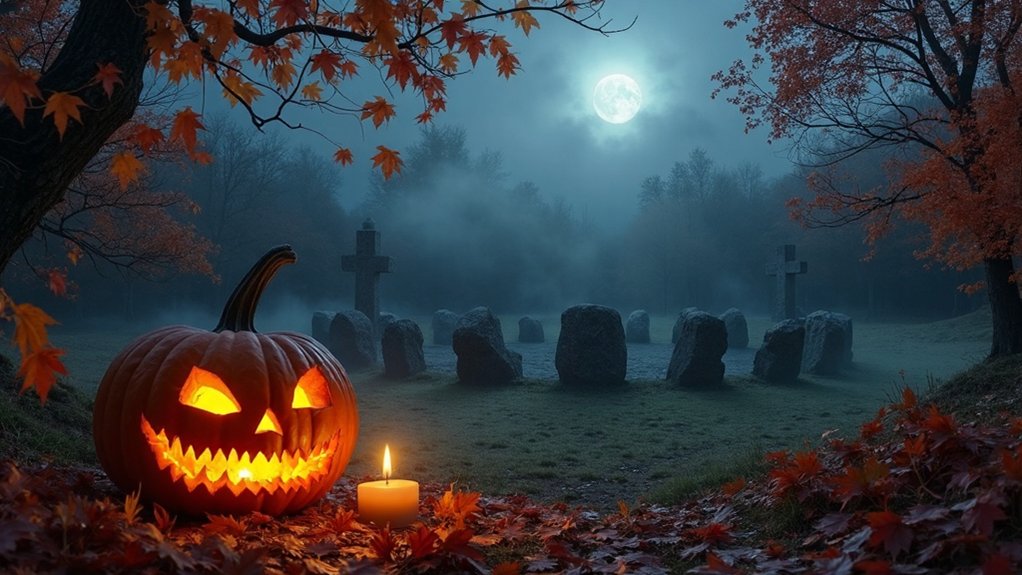
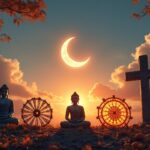
Historical origins of Halloween celebration (image: Abpray)
Understanding Halloween’s ancient origins helps us appreciate how traditions evolved across cultures and generations. From the mystical Celtic festival of Samhain to the Roman Festival of Feralia, and eventually the Christianization of old customs, each era left a mark on Halloween’s rich history. By exploring these early beginnings, we uncover not only how the holiday formed but also why many of its symbols, rituals, and themes still resonate today.
The Celtic Festival of Samhain: The True Beginning of Halloween
If you’re curious about the origins of Halloween, the Celtic festival of Samhain (pronounced sow-in) is where the story truly begins. Over 2,000 years ago, Celtic communities across what is now Ireland, Scotland, and parts of northern France celebrated Samhain at the end of October. This ancient festival marked the end of harvest season and the arrival of winter, a time often associated with hardship, darkness, and uncertainty.
According to Celtic tradition, Samhain was a moment when the natural world shifted dramatically. As daylight shortened and temperatures dropped, the Celts believed the boundary between the living and the dead grew thin. This “veil” between worlds became delicate enough for spirits, both benevolent and harmful, to walk freely among people.
To protect themselves, communities lit large bonfires during Samhain. These fires were not only spiritual barriers against unwanted spirits but also practical sources of warmth and light during the growing darkness. People also wore costumes—often made of animal skins or crafted masks—to disguise themselves from wandering supernatural beings. These disguises represent some of the earliest forms of what eventually became Halloween costumes.
Another key part of the Samhain celebration involved storytelling, feasting, and predicting the future. Druids, who were Celtic spiritual leaders, performed rituals and offered sacrifices to honor deities and seek protection for the coming winter. Food offerings were placed outside homes to appease spirits, a concept that loosely parallels modern trick-or-treating, where visiting ghosts and goblins receive treats instead of causing mischief.
This rich cultural backdrop makes Samhain an essential foundation for understanding Halloween’s ancient origins. Many modern traditions, from dressing in costumes to lighting symbolic fires, stem directly from these early Celtic beliefs.
Roman Influence and the Festival of Feralia
As centuries passed, the powerful Roman Empire expanded into Celtic territory. During Roman rule, many local customs merged with Roman religious practices. This blending introduced new traditions that further shaped Halloween’s ancient origins.
One of the most influential Roman celebrations was the Festival of Feralia, held in late October. Feralia was a day dedicated to honoring deceased loved ones. Families visited graves, offered food and wine to ancestral spirits, and performed rituals meant to bring peace to the dead. Respecting and remembering the deceased became a meaningful practice that merged naturally with the Celtic themes of Samhain.
Additionally, the Romans celebrated Pomona, a festival honoring the goddess of fruit, trees, and the harvest. Pomona’s symbol was the apple, a detail that may explain why apple bobbing became a popular Halloween game centuries later. This blending of harvest celebrations with spiritual rituals helped solidify Halloween as a seasonal event tied to both honoring the dead and welcoming the colder months.
Through the influence of Feralia and Pomona, the Roman Empire contributed significantly to the evolution of Halloween traditions. As Roman and Celtic customs intertwined, autumn celebrations became increasingly rich and diverse, paving the way for new cultural interpretations of the holiday.
The Christianization of Pagan Traditions
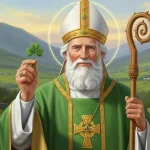
The next major shift in Halloween’s history came with the spread of Christianity across Europe. As the Church encountered established pagan festivals, religious leaders sought ways to integrate—but not entirely eliminate, these popular cultural practices. Instead of banning pagan customs, they often repurposed them, assigning Christian meanings to old rituals.
During the 8th century, the Church created All Saints’ Day, also known as All Hallows’ Day, on November 1. Its purpose was to honor Christian saints and martyrs. The evening before, October 31, became All Hallows’ Eve, which eventually transformed into the word “Halloween.”
This Christianization helped blend ancient pagan traditions with new religious teachings. While Samhain emphasized spirits crossing into the world of the living, the Church reframed this idea by focusing on honoring holy figures and praying for souls. Yet many older customs—bonfires, costumes, gatherings—remained popular and survived within the new Christian context.
Later, All Souls’ Day, established on November 2, reinforced this focus on honoring the dead. Celebrations often included parades, feasts, and the sharing of “soul cakes”—an early tradition that contributed to the development of trick-or-treating.
Through this process, Christianity played a crucial role in shaping the modern version of Halloween. Pagan customs did not disappear; instead, they evolved, carrying elements of Samhain and Feralia into a new cultural and religious framework.
How Ancient Origins Shape Today’s Halloween
Today’s Halloween still carries the symbolism and themes of the traditions that shaped it:
1. Costumes
Ancient disguises meant to confuse spirits became costumes for fun, creativity, or fright.
2. Trick-or-Treating
Food offerings to wandering souls evolved into children going door-to-door collecting treats.
3. Jack-O’-Lanterns
Celtic people carved turnips during Samhain to ward off spirits, Irish immigrants later turned these into pumpkins in America, creating the modern jack-o’-lantern.
4. Community Gatherings
Bonfires and communal rituals transformed into parties, parades, and neighborhood traditions.
5. Honoring the Dead
Although Halloween is now largely secular, many cultures still observe it as a time to remember ancestors, similar to Feralia and Samhain.
These modern customs show that Halloween’s ancient origins continue to influence how people celebrate today. Whether carving pumpkins or dressing in costumes, we’re participating in traditions that stretch back thousands of years.
Conclusion
Halloween’s ancient origins weave together centuries of human history, spirituality, and cultural expression. What began with the Celtic festival of Samhain, marking the end of harvest and honoring spirits, later mixed with Roman traditions like Feralia and the worship of Pomona. Eventually, the spread of Christianity reshaped older practices into All Hallows’ Eve, cementing Halloween as a blend of pagan roots and religious observance.
By exploring these rich origins, we gain a deeper appreciation for the holiday we celebrate today. Halloween is far more than a night of costumes and candy, it’s a cultural tapestry connecting us to the past. As you enjoy modern Halloween traditions, remember that its ancient origins continue to echo through every carved pumpkin, every costume, and every celebration of light against the coming winter darkness.