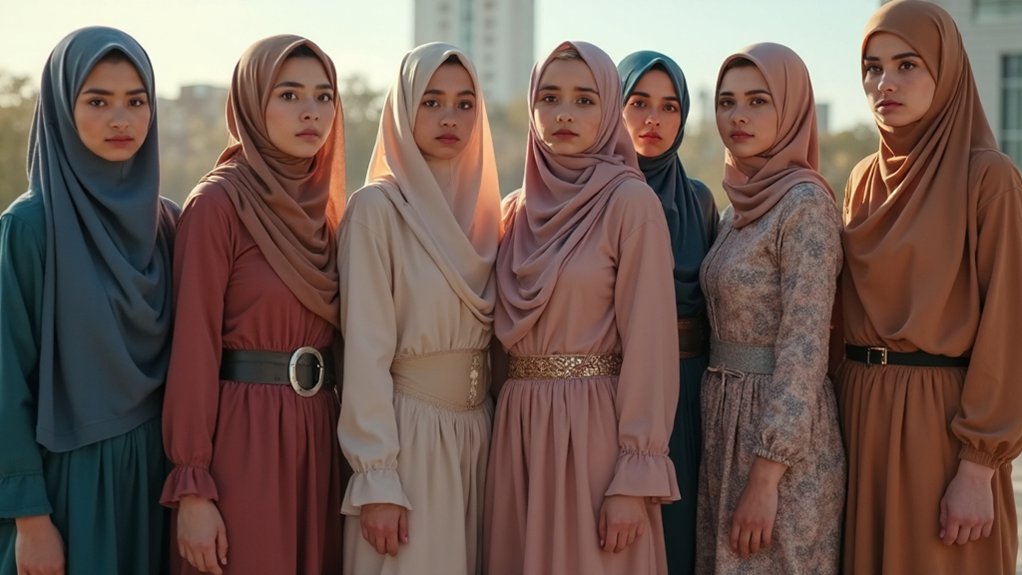
Choosing what to wear is a meaningful part of expressing your faith, personality, and daily comfort. For many Muslim women, modest fashion is not just a style—it is a reflection of values, faith, and identity. Understanding the clothing types Muslim women should avoid is essential for anyone who wants to maintain modesty while still embracing elegance and modern fashion.
Many styles seen in mainstream fashion, such as tight dresses, sheer fabrics, or revealing cuts, do not always align with the principles of modesty in Islam. By knowing the clothing types Muslim women should avoid, you can make more confident wardrobe decisions that reflect who you are and what you believe. Whether you’re building a modest wardrobe or refining your existing style, these guidelines will help you stay true to your values while remaining stylish, comfortable, and empowered.
Tight-Fitting Clothes
One of the main clothing types Muslim women should avoid is tight-fitting clothes. These garments hug the body closely and make the shape of the body more visible, which goes against the principles of modest dressing. While tight-fitted styles are common in modern fashion, they often draw unnecessary attention and may make you feel uncomfortable in social or religious settings.
Loose-fitting alternatives—such as abayas, wide-leg pants, flowing dresses, and oversized tops, offer comfort, breathability, and elegance. Choosing modest cuts doesn’t mean sacrificing style; many modest fashion designers today create beautiful pieces that combine comfort, modesty, and sophistication. By avoiding tight-fitting clothes, you prioritize both modesty and confidence.
Transparent Fabrics
Another important category among the clothing types Muslim women should avoid includes transparent or sheer fabrics. Although they may be trendy, transparent fabrics often reveal more than intended, which can compromise your sense of privacy and modesty.
Sheer tops, lace garments without lining, and chiffon pieces that expose the body underneath can attract unwanted attention and make you feel uncomfortable. Instead, opt for opaque fabrics that offer full coverage. If you like the look and feel of chiffon or lace, choose pieces with proper lining or layer them with camisoles, long sleeves, or slip dresses. This allows you to maintain modesty without giving up the beauty of delicate fabrics.
Provocative Styles
Provocative styles are also among the clothing types Muslim women should avoid, as they often conflict with Islamic guidelines for modest dress. These include low-cut tops, mini skirts, crop tops, or outfits that highlight the body in a sexualized way. Such clothing can make it difficult to preserve modesty and may draw attention to parts of the body that should remain covered.
Choosing modest alternatives doesn’t mean losing your sense of fashion. Long-sleeved blouses, maxi skirts, high-neck tops, and wide-leg pants are perfect choices that keep you covered while still looking stylish. Elegant layering and modest tailoring can help you create fashionable outfits that align with your values and represent your identity confidently.
Clothing With Religious Symbols of Other Faiths
Wearing clothing with religious symbols from other faiths is another category within the clothing types Muslim women should avoid. These symbols, such as crosses, om symbols, or images of deities—carry deep spiritual meaning for other communities. Wearing them unintentionally may cause misunderstanding about your beliefs or appear disrespectful to people of those faiths.
Muslim women are encouraged to avoid clothing that displays religious symbols of other traditions to maintain clarity of identity and out of respect for all religions. Instead, choose pieces that reflect your own cultural background or neutral designs that express your personal style without conflicting with your values.
Excessively Luxurious Attire
While there is nothing wrong with dressing beautifully, excessively luxurious attire also belongs to the clothing types Muslim women should avoid, especially when it is worn with the intention of showing off wealth or status. Overly extravagant outfits, such as heavily embellished dresses, extremely expensive designer pieces, or flashy accessories, can lead to pridefulness and distract from the true essence of modesty.
Modest fashion encourages balance, humility, and dignity. Choosing elegant yet simple outfits helps you express your identity without drawing unnecessary attention. Many women find that modest, minimalistic clothing feels more comfortable and spiritually aligned. The key is finding a balance between personal style and modest values, something Islam encourages in everyday life.
Why Modesty Matters in Clothing Choices
Understanding the clothing types Muslim women should avoid is not about restriction but about self-respect, dignity, and devotion. Modest clothing helps protect your privacy, strengthens your identity, and supports a lifestyle centered on humility and spiritual awareness. Many Muslim women describe modest dressing as empowering because it allows them to define how they present themselves to the world.
Modesty also promotes confidence. When you avoid revealing or uncomfortable clothing, you move through life with ease and grace, knowing your outfit aligns with your beliefs.
Building a Modest and Stylish Wardrobe
Creating a wardrobe that avoids the clothing types Muslim women should avoid does not mean sacrificing fashion or personal expression. Today’s modest fashion industry offers endless options—flowing dresses, tailored abayas, structured long coats, breathable hijabs, and trendy modest pieces designed for all seasons.
Here are a few tips for building a modest wardrobe:
- Choose breathable, opaque fabrics like cotton, linen, and crepe.
- Opt for loose silhouettes that allow ease of movement.
- Layer strategically to add dimension and coverage.
- Explore neutral tones or soft colors for elegant everyday looks.
- Invest in versatile basics that can be styled in different ways.
With thoughtful choices, you can maintain modesty while still expressing your personality and fashion sense.
Conclusion
In everyday life, being aware of the clothing types Muslim women should avoid helps you embrace modesty with confidence and clarity. Tight-fitting clothes, transparent fabrics, provocative styles, clothing with religious symbols of other faiths, and excessively luxurious attire can conflict with modest dress values or cause discomfort.
By avoiding these clothing types, Muslim women can express their faith, dignity, and identity while feeling beautiful and empowered. Modest fashion is not about limiting choices—it is about choosing wisely, dressing with intention, and honoring your beliefs through every outfit you wear.
José Lucas is a researcher of history and spirituality, driven by a lifelong fascination with how faith shapes the human experience. He specializes in exploring the historical contexts of diverse traditions, translating ancient wisdom into practical insights for the modern seeker. At ABPray, José’s mission is to guide readers through the world’s vast spiritual heritage with curiosity and reverence, fostering a deeper understanding of the universal values that unite us all.