Balancing volunteering with a full-time job isn’t about doing more, it’s about serving with intention. When your volunteer work reflects your faith or spiritual values, it becomes more than another task on your schedule, it becomes an act of devotion woven into daily life.
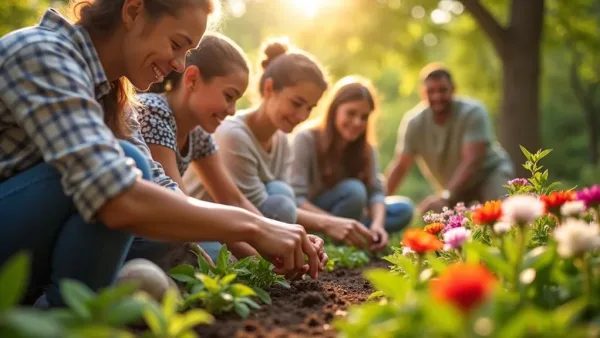
Volunteering for mental health can be a powerful practice within religion and spirituality. (Image: ABPray)
The key isn’t perfection; it’s presence. Even small, consistent acts of service can nurture your spirit, strengthen your community, and bring deeper meaning to your routine.
Volunteering enhances mood and emotional well-being, especially when rooted in religion and spirituality. Many people find that acts of service release endorphins and create a sense of purpose, aligning with spiritual values like compassion and community.
This meaningful engagement not only enhances mood and emotional well-being, but also strengthens connections with others through shared faith practices, creating a positive feedback loop.
Reduces symptoms of depression and anxiety
Volunteering and mental health are deeply connected in many faith traditions. Because volunteering involves purposeful activity and social interaction, it can reduce symptoms of depression and anxiety.
In spiritual communities, engaging in volunteer work provides depression relief by fostering a sense of accomplishment, service, and purpose aligned with one’s beliefs.
Additionally, the structured nature of volunteering supports anxiety reduction, helping individuals manage stress through meaningful tasks, prayerful reflection, and positive engagement in their communities.
For those exploring spirituality, volunteering and mental health often go hand in hand, offering a practical path to healing, connection, and hope.
Increases social connection and reduces loneliness
Volunteering increases social connection and reduces loneliness by bringing people together around shared values and purpose.
In many faith communities, volunteer activities create meaningful moments of service, prayer, and reflection that deepen spiritual bonds. By joining social events, group activities, and community outreach through a church, mosque, synagogue, temple, or spiritual center, individuals build friendships and find support.
These shared experiences, such as team collaborations, cultural exchange, and faith-based support groups, help people feel seen and valued. Over time, these connections reduce isolation, strengthen belonging, and nurture the soul.
In this way, practicing service within a spiritual community increases social connection and reduces loneliness while aligning daily life with one’s faith.
Builds self-esteem and confidence
Volunteering builds self-esteem and confidence, especially when rooted in religion and spirituality. Through meaningful service, people discover their God-given strengths and practice self-advocacy in compassionate, faith-inspired ways.
This spiritual approach to volunteering also encourages empowerment, helping individuals take initiative, overcome challenges, and trust in divine guidance. Over time, these experiences deepen one’s sense of purpose, reinforce spiritual identity, and cultivate lasting self-belief.
In this way, religion and spirituality transform volunteering into a powerful path for inner growth and confidence.
Provides a sense of purpose and meaning
Volunteering can provide a strong sense of purpose and meaning, especially for those exploring religion and spirituality.
Through volunteering, people often feel connected to a higher calling and to their community, which can deepen their spiritual journey. By contributing to causes larger than themselves, volunteers gain clarity, direction, and a sense of belonging that supports mental well-being.
In many faith traditions, volunteering is seen as an act of service and compassion, reinforcing spiritual values and strengthening one’s connection to others.
When guided by religion and spirituality, volunteering becomes more than a task, it becomes a pathway to living out one’s beliefs with purpose.
Promotes mindfulness and present moment awareness
Volunteering promotes mindfulness and present moment awareness by inviting people to be fully engaged in acts of service. In many spiritual traditions, mindfulness is nurtured through simple, intentional actions, exactly what volunteering offers.
This mindful practice helps reduce stress, deepen emotional balance, and ground the heart in the here and now. When approached as a spiritual practice, volunteering becomes a form of prayer in action, cultivating mindfulness and present moment awareness through compassionate service and attentive presence with others.
Over time, this steady focus strengthens mindfulness and present moment awareness, supporting mental well-being and spiritual growth.
Encourages physical activity and health
Volunteering and spirituality often go hand in hand, encouraging physical activity while nurturing the soul.
Many faith-based volunteering opportunities involve outdoor service, community outreach, or helping at places of worship, activities that naturally promote movement and support a healthy lifestyle.
This kind of mindful service strengthens the body, calms the mind, and deepens one’s spiritual connection.
When done with intention, volunteering can become a spiritual practice, improving cardiovascular health, lifting mood, and reducing stress.
Develops new skills and personal growth
Volunteering for spiritual growth helps you develop new skills and deepen your faith. Through service, you learn practical abilities like communication, teamwork, and leadership, while also nurturing patience and compassion, core values in many religious traditions.
This kind of spiritual growth builds confidence and resilience, encouraging continuous learning and reflection. As you serve others, you support mental well-being, strengthen your connection to your beliefs, and experience meaningful self-improvement.
With ongoing practice and prayerful reflection, spiritual growth expands your capabilities in both personal and professional life.
Fosters empathy and compassion
Developing new skills and fostering personal growth can deepen our spiritual understanding of others’ experiences and emotions. In faith-based volunteering and spiritual service, we encounter diverse perspectives that nurture empathy and compassion, strengthening our connection to the divine and to our community.
This spiritual growth supports improved mental health and emotional balance by encouraging a more empathetic outlook, compassionate action, and greater sensitivity to the challenges faced by others, core values at the heart of religion and spirituality.
Creates a supportive community network
Building meaningful connections can be challenging in modern life, but faith-based volunteer work naturally creates a supportive community network.
In many spiritual traditions, serving others is a core practice that brings people together, offering social support rooted in shared beliefs and values. This supportive community network helps reduce isolation, promotes emotional well-being, and strengthens mental health by providing encouragement, prayer, and understanding, essentials for coping with life’s stresses.
Improves cognitive function and mental sharpness
Volunteering can improve cognitive function and mental sharpness in a meaningful, spiritually aligned way. When you serve others, you exercise the mind through problem-solving, compassionate communication, and adapting to new situations, habits that support cognitive function while nurturing a sense of purpose.
Over time, this mindful service strengthens mental sharpness, helping memory and focus, and enriching your spiritual journey. By making volunteering a regular practice, you keep the mind active, deepen your connection to your faith or spiritual path, and cultivate inner peace, benefits that uplift both cognitive function and overall well-being.
Helps manage stress and builds resilience
Volunteering helps manage stress and builds resilience, especially when connected to religion and spirituality. Many people find that serving others through faith-based volunteering offers a meaningful way to shift attention away from personal pressures and toward a higher purpose.
This kind of spiritual volunteering supports relaxation, emotional balance, and inner peace. At the same time, facing challenges within volunteer roles strengthens resilience, a core value in many religious traditions.
Conclusion
Volunteering for mental health can be a powerful practice within religion and spirituality. When you serve others, you enhance your mood, reduce anxiety and depression, and build strong social connections through shared faith and community. This kind of service nurtures self-esteem, offers a meaningful sense of purpose, and encourages compassion, echoing core spiritual values.
Volunteering for mental health also supports stress management and resilience by creating supportive, faith-centered communities and keeping the mind engaged. Across diverse congregations and spiritual paths, volunteering for mental health stands out as a simple, accessible way to promote emotional well-being and deepen your spiritual life.