Published on November 25, 2025 at 4:00 PMUpdated on November 25, 2025 at 4:00 PM
If you’re interested in how to convert to Catholicism, understanding both the core beliefs of the Church and the welcoming faith community you’ll join is essential. Whether you’re searching for spiritual clarity, exploring Christianity for the first time, or returning to faith after many years, the process invites deep reflection and meaningful transformation.
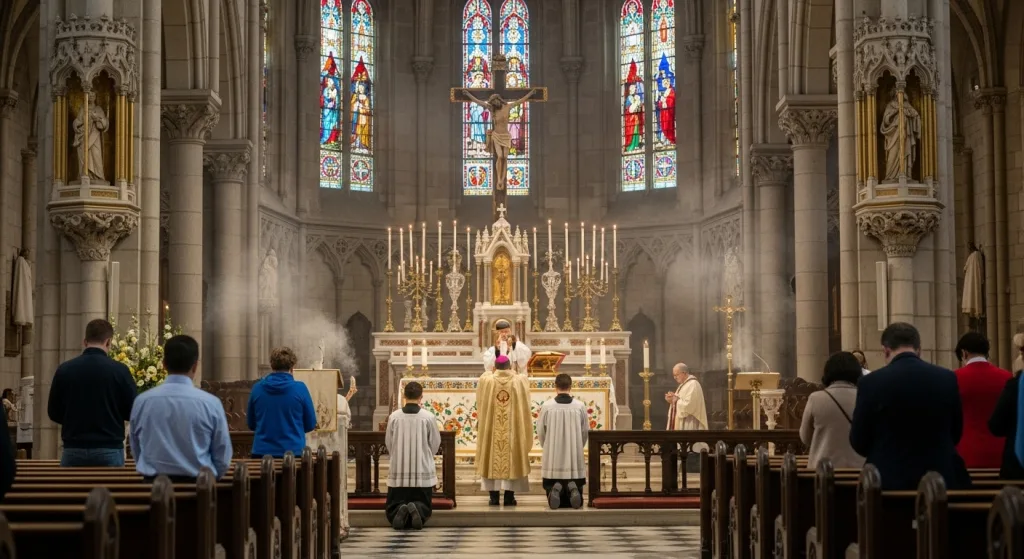
How to convert to Catholicism? (image: Abpray)
Learning how to convert to Catholicism typically involves joining the Rite of Christian Initiation for Adults (RCIA), a step-by-step program designed to introduce you to the Church’s teachings, its sacraments, and the spiritual life that defines Catholic tradition. More than an educational program, RCIA offers an opportunity to build lasting relationships, experience community support, and discover what it truly means to live as a Catholic.
By exploring each stage of the journey, you will gain a clearer understanding of how to convert to Catholicism and what it means to fully embrace a new spiritual home.
Before learning how to convert to Catholicism, it’s important to understand the foundational beliefs that shape the Church’s teachings. At the heart of Catholic faith is the doctrine of the Holy Trinity, Father, Son, and Holy Spirit. This belief forms the central mystery of Christianity and guides every aspect of Catholic life.
Catholic teachings emphasize:
The authority of Sacred Scripture, meaning the Bible plays a vital role in shaping moral choices and guiding daily life.
Sacred Tradition, which includes centuries of prayer, teachings, and wisdom passed down from the early Church.
The role of the Church, viewed not only as a community of believers but as a spiritual family united through faith, sacraments, and worship.
Jesus Christ’s life, death, and resurrection, seen as the ultimate expression of God’s love and the foundation of salvation.
For anyone exploring how to convert to Catholicism, understanding these core beliefs helps you see how the Church connects deep spiritual tradition with daily life.
Exploring the Sacraments and Their Significance
A crucial part of understanding how to convert to Catholicism is learning about the seven sacraments, which Catholics believe are visible signs of God’s invisible grace.
These include:
Baptism
Eucharist
Confirmation
Reconciliation
Anointing of the Sick
Holy Orders
Matrimony
During the conversion process, you will focus primarily on Baptism, Eucharist, and Confirmation, known collectively as the Sacraments of Initiation. Exploring the sacraments helps you recognize how God’s grace is present in everyday life and how each sacrament plays a unique role in strengthening your faith.
As you discover the meaning behind each sacrament, you’ll better appreciate how they guide spiritual growth and deepen your relationship with the Church community.
The Role of Community in the Catholic Church
When learning how to convert to Catholicism, many people are surprised by the strong emphasis on community. Catholicism is deeply communal, faith is lived not only in personal prayer but also in the shared life of the Church.
Community life includes:
Attending Mass, the highest form of worship.
Participating in parish groups, from Bible studies to volunteer ministries.
Celebrating feast days and liturgical seasons, which help you connect with the rhythm of the Church year.
Building friendships with others who support and encourage your spiritual journey.
By experiencing the community in the Catholic Church, you’ll find yourself surrounded by people willing to pray with you, answer questions, and guide you along the way. This sense of belonging becomes a powerful source of strength as you learn how to convert to Catholicism.
The RCIA Process: Your Path to Becoming Catholic
The Rite of Christian Initiation for Adults (RCIA) is the primary path for those exploring how to convert to Catholicism. The process is welcoming, structured, and designed for people at all stages of spiritual exploration.
The RCIA journey includes several stages:
1. Inquiry (Seeking Answers)
This is the beginning phase, where you ask questions, learn about Catholic beliefs, and discern whether you truly feel called to the faith.
2. Catechesis (Learning the Faith)
You begin attending weekly sessions to study Catholic teachings, Scripture, prayer, sacraments, and Church traditions. This period offers time to grow spiritually and build relationships with others on the same path.
3. Purification and Enlightenment
This stage usually takes place during Lent, a time of reflection and spiritual preparation for the sacraments. It helps you deepen your commitment and prepares your heart for receiving the sacraments at Easter.
4. Receiving the Sacraments of Initiation
At the Easter Vigil, you will receive Baptism (if not already baptized), Confirmation, and the Eucharist—formally entering the Catholic Church.
5. Mystagogy (Continuing Formation)
After becoming Catholic, you continue growing in faith, participating in community life, and discovering how to fully live your new identity as a Catholic.
Understanding the RCIA process makes the entire journey of how to convert to Catholicism feel less overwhelming and more spiritually meaningful.
Preparing for Baptism and Full Membership in the Church
Preparing for Baptism and full membership is one of the most exciting parts of learning how to convert to Catholicism. During this time, you will:
Develop a closer relationship with your sponsor, who guides and supports you.
Participate in ceremonies such as the Rite of Acceptance or the Scrutinies, which deepen your spiritual readiness.
Attend parish events, prayer groups, and community activities.
Reflect on your personal faith journey and the commitment you’re about to make.
Above all, preparing for Baptism means opening your heart to God’s grace and embracing the joy of beginning a new chapter in your life.
Conclusion
Converting to Catholicism is a deeply meaningful journey that can bring spiritual growth, peace, and a renewed sense of purpose. If you want to understand how to convert to Catholicism, begin by exploring Catholic beliefs, sacraments, and the vibrant community waiting to welcome you.
Joining the RCIA program is the most important step, guiding you through the sacraments of Baptism, Eucharist, and Confirmation while offering support every step of the way.
As you continue to explore how to convert to Catholicism, remember that the Church walks with you, prays for you, and welcomes you with open arms as you draw closer to God and embrace a new spiritual home.