When exploring the difference between Christianity and Catholicism, it’s important to recognize that Catholicism is one of the largest branches within Christianity. The main difference between Christianity and Catholicism lies in specific beliefs, traditions, and practices.
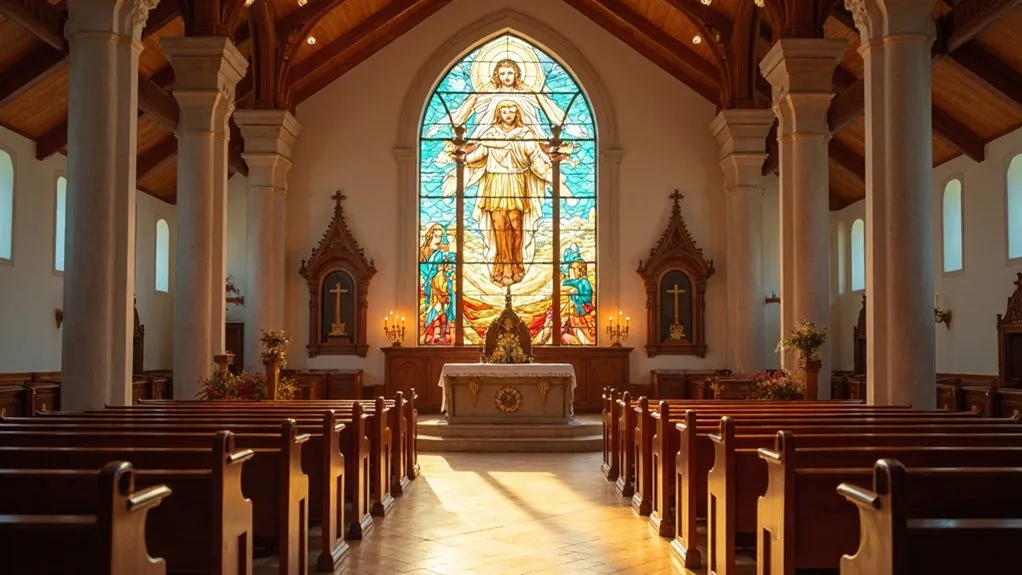
What Is the difference between Christianity and Catholicism? (image: Abpray)
For example, Catholicism places a strong focus on the seven sacraments and the authority of the Pope, which is a key difference between Christianity and Catholicism compared to other Christian denominations.
Understanding the difference between Christianity and Catholicism can help you see how these faiths shape worship, community life, and spiritual teachings for millions of people worldwide.
Historical origins of Christianity and Catholicism
When exploring the historical origins of Christianity and Catholicism, it’s important to recognize the differences between the two. Christianity began in the 1st century AD, centered on the life and teachings of Jesus Christ.
Over time, Christianity grew and evolved, leading to the development of different branches. The historical origins of Catholicism can be traced to the early Christian community, but Catholicism became more distinct as its own tradition through centuries of formalized beliefs, church councils, and unique practices.
The historical origins of Catholicism were further shaped by major events like the Great Schism in 1054, which set Catholicism apart from other Christian denominations.
Core beliefs and doctrinal differences
Christianity is a diverse religion with a rich history of beliefs and practices. One of the main distinctions is found in the core beliefs and doctrinal differences between Catholicism and other Christian denominations.
Core beliefs and doctrinal differences are especially noticeable in areas such as the importance of sacraments, church tradition, and spiritual authority. Catholicism emphasizes the role of sacraments, the significance of tradition, and the authority of the Church, while many other Christian groups focus on personal faith and the teachings of scripture.
These core beliefs and doctrinal differences influence how Christians worship and build their communities, giving each tradition its unique identity.
Authority and leadership structures
In Catholicism, authority is centralized, with the Pope serving as the highest leader and guiding the Church’s teachings and traditions. This strong leadership structure in Catholicism ensures consistent beliefs and practices worldwide.
In contrast, Christianity as a whole features a wide range of authority and leadership structures. Many Christian denominations prioritize local church leadership, which allows for diverse interpretations and flexible governance.
Understanding authority and leadership structures is key to recognizing how Christianity and Catholicism differ in their approaches to faith, organization, and decision-making.
Worship practices and rituals
When looking at worship practices and rituals, it’s easy to see how these traditions shape different branches of Christianity.
Worship practices and rituals in Catholicism often center around the sacraments, with the Eucharist being especially important. Catholics participate in worship practices and rituals that include formal liturgies, structured prayers, and the use of the Rosary.
On the other hand, many Protestant denominations approach worship practices and rituals with more flexibility, focusing on personal worship, Bible readings, and less formal gatherings.
Understanding these worship practices and rituals can help you appreciate the unique ways Christians express their faith.
The role of scripture
The role of Scripture is central to both Christianity and Catholicism, but the way Scripture is understood and used can be quite different. In many Protestant traditions, the role of Scripture is emphasized through the principle of “sola scriptura,” which encourages individuals to read and interpret Scripture personally. This approach puts a strong focus on the authority of Scripture alone in guiding faith and practice.
In contrast, the role of Scripture in Catholicism is balanced with the importance of tradition and the teachings of the Church. Catholics rely on Scripture, but also look to the Church’s guidance to interpret and apply biblical teachings in daily life.
Understanding the role of Scripture is essential for appreciating how different Christian communities connect with their faith and shape their beliefs.
Salvation and grace: different perspectives
Understanding salvation and grace is essential when exploring the differences between Christianity and Catholicism. Both traditions believe that salvation and grace come through Jesus Christ, but their approaches are distinct.
Many Protestant Christians teach that salvation and grace are received through faith alone, emphasizing a personal relationship with God.
On the other hand, Catholics view salvation and grace as gifts that come through both faith and good works, as well as participation in the sacraments.
This communal and sacramental understanding of salvation and grace sets Catholicism apart, offering a unique perspective on how believers experience God’s love and forgiveness.
Cultural Influence and Global Reach
Christianity and Catholicism have a powerful cultural influence and global reach, shaping societies and communities everywhere.
The cultural influence and global reach of Christianity can be seen in its many denominations, each offering unique interpretations of faith and practice. In contrast, the cultural influence and global reach of Catholicism is rooted in tradition and a strong sense of authority.
Both Christianity and Catholicism have left their mark on art, music, education, and social justice, helping to build community values and ethical standards that resonate worldwide.
The cultural influence and global reach of Christianity and Catholicism continue to inspire and connect people across different cultures and generations.
Conclusion
To conclude, the difference between Christianity and Catholicism lies in their beliefs, traditions, and leadership structures. While Christianity is a broad faith that includes many denominations, Catholicism is a distinct branch with its own unique practices, such as the importance of sacraments and the authority of the Pope. Understanding the difference between Christianity and Catholicism can help you appreciate how each shapes the faith experiences of millions around the world.
Whether you are exploring your own beliefs or learning about others, recognizing the difference between Christianity and Catholicism is essential for building deeper connections and understanding within the Christian community.
José Lucas is a researcher driven by a lifelong fascination with the history of religions and how faith shapes the human experience. Specializing in the historical contexts of diverse traditions, José possesses a unique ability to translate ancient wisdom into practical, relevant insights for the modern seeker. At ABPray, his mission is to guide readers through the world’s vast spiritual heritage with both curiosity and reverence. He plays a crucial role in our Content Creation and Fact-Checking process, ensuring that all biblical, historical, and doctrinal references are grounded in legitimate sources and in-depth research. Through his articles and guides, José promotes understanding and compassion, connecting the facts of the past with the contemporary search for purpose. His work is essential in establishing ABPray as a global reference for interfaith content, nurturing the universal values that unite all of humanity.
To provide the best experiences, we use technologies like cookies to store and/or access device information. Consenting to these technologies will allow us to process data such as browsing behavior or unique IDs on this site. Not consenting or withdrawing consent, may adversely affect certain features and functions.
Functional
Always active
The technical storage or access is strictly necessary for the legitimate purpose of enabling the use of a specific service explicitly requested by the subscriber or user, or for the sole purpose of carrying out the transmission of a communication over an electronic communications network.
Preferences
The technical storage or access is necessary for the legitimate purpose of storing preferences that are not requested by the subscriber or user.
Statistics
The technical storage or access that is used exclusively for statistical purposes.The technical storage or access that is used exclusively for anonymous statistical purposes. Without a subpoena, voluntary compliance on the part of your Internet Service Provider, or additional records from a third party, information stored or retrieved for this purpose alone cannot usually be used to identify you.
Marketing
The technical storage or access is required to create user profiles to send advertising, or to track the user on a website or across several websites for similar marketing purposes.