Published on October 26, 2025 at 4:00 PMUpdated on October 26, 2025 at 4:00 PM
When talking about the hijab with girls, it’s important to use clear, supportive language that helps them understand its meaning and purpose. The hijab is much more than a simple piece of clothing, it represents a personal choice, a symbol of faith, and an important part of identity for many Muslim women and girls around the world. By explaining the hijab in a way that highlights its significance, you can help young girls appreciate its value and cultural richness.
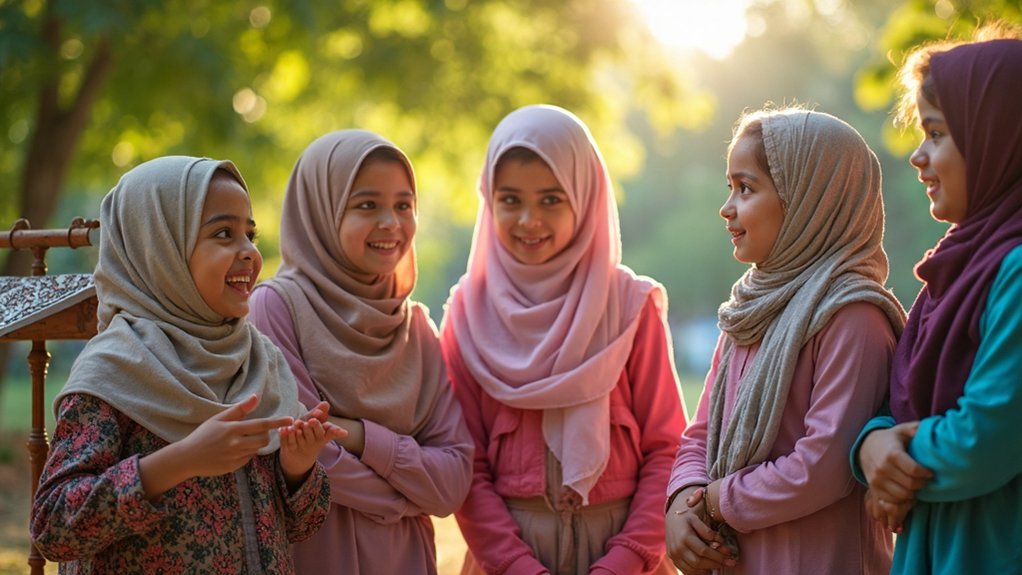
How to explain Hijab to young Muslim girls (image: Abpray)
Many girls may first encounter the hijab through family, friends, school, or media, and they might have questions about why some women wear it and what it symbolizes. Creating space for open conversation allows them to explore these questions in a healthy, positive way. It also encourages respect, empathy, and cultural awareness from an early age. When girls learn about the hijab with accurate information, they can better understand its true meaning and avoid adopting stereotypes or misconceptions.
It’s also essential to address common myths about the hijab. Because the hijab is often misunderstood, some people may not know why it is worn, or they may believe inaccurate assumptions. By discussing the hijab openly, you help girls gain clarity, develop confidence in their understanding, and foster respect for different cultural and religious practices. When girls feel comfortable asking questions, the conversation becomes more meaningful and empowering.
Talking about the hijab in a supportive way helps girls understand that the hijab is a personal and faith-based choice. It reflects values such as modesty, devotion, and identity. When presented clearly, the concept becomes accessible and easy for young minds to grasp. Helping girls understand the hijab allows them to make informed decisions and appreciate the diversity of traditions around them.
The hijab is much more than a simple head covering, it is a powerful symbol of faith, identity, and devotion for many Muslim women. At its core, the concept of hijab is deeply connected to modesty, spirituality, and personal conviction. It represents a meaningful expression of one’s relationship with God, one’s values, and one’s cultural heritage.
For many people, the hijab reflects an inner sense of dignity and purpose. It is a reminder of modesty not only in appearance but also in behavior, speech, and attitude. When girls learn about the broader concept of hijab, they begin to see it as a holistic practice rather than a single garment.
Recognizing the depth and meaning behind the hijab helps girls approach it with respect and understanding. It also teaches them to value the diversity of expressions found within Muslim communities, where styles, reasons, and experiences with the hijab can vary greatly from person to person.
Emphasizing Personal Choice and Empowerment
One of the most important ideas to highlight when discussing the hijab with girls is that wearing it is a personal choice. While it holds religious and cultural significance, the decision to wear a hijab is ultimately up to the individual. Many women choose it as a form of empowerment , a way to express their beliefs, assert their identity, and feel comfortable in their own skin.
For some girls, the hijab represents strength, confidence, and independence. By choosing to wear it, they declare ownership over their body and how they present themselves to the world. This is especially powerful in societies that sometimes judge girls and women based on appearance.
Framing the hijab as a personal decision empowers girls to honor their values and make choices that align with their beliefs. It encourages them to think critically, respect individual journeys, and appreciate the freedom of self-expression.
Discussing Cultural and Religious Significance
Understanding the cultural and religious significance of the hijab adds depth to the conversation. In Islam, the hijab is often associated with modesty, humility, and devotion. It serves as a visible symbol of one’s connection to faith. But its meaning is not only religious, it is also cultural and historical.
Different countries, communities, and families may have unique traditions related to the hijab. From colors and fabrics to styles and methods of wrapping, the hijab reflects rich cultural diversity. Some women wear it as a celebration of heritage, while others choose it as an expression of spirituality.
Exploring these cultural and religious layers helps girls appreciate the hijab’s importance. It also encourages respect for people whose practices differ from their own, building a more inclusive and understanding community for everyone.
Addressing Common Myths and Misconceptions
Misconceptions about the hijab are widespread, and addressing them is essential when talking with girls. One common myth is that the hijab is a symbol of oppression or that women are forced to wear it. In truth, many Muslim women wear the hijab by choice and view it as a source of empowerment, dignity, and spiritual connection.
Another misconception is that women who wear the hijab are not modern, educated, or active in society. This stereotype is far from reality. Hijab-wearing women can be doctors, teachers, engineers, athletes, artists, politicians, and more. They participate fully in all aspects of life while proudly maintaining their identity.
By correcting these myths, you help girls understand that the hijab does not restrict a woman’s abilities or aspirations. Instead, it is one of many ways women express who they are.
Encouraging Open Conversations and Questions
Encouraging open conversations about the hijab is essential for promoting understanding and respect. Girls should feel safe asking questions, sharing thoughts, and expressing curiosity without fear of judgment. When adults respond with patience, honesty, and clarity, girls develop trust and confidence.
Creating a welcoming environment allows for meaningful dialogue. You can explain the cultural, personal, and religious importance of the hijab in a simple and relatable way. Listening closely to their questions helps you understand what they are curious or confused about.
Open conversations not only strengthen communication but also teach girls to appreciate diversity and build empathy. This understanding becomes a foundation for respectful relationships throughout their lives.
Conclusion
Understanding the hijab is an important step for girls who want to appreciate its true meaning and significance. The hijab is more than a piece of fabric, it is a deeply personal choice and a meaningful symbol of individuality, cultural heritage, and faith. When girls learn about the hijab with respect and openness, they see its beauty and the values it represents.
Exploring its cultural and religious aspects provides girls with valuable perspective, helping them break down stereotypes and identify misconceptions. Encouraging open conversations fosters empathy, respect, and acceptance, creating a supportive space where everyone feels valued.
Every girl or woman who chooses to wear the hijab has her own story, shaped by her beliefs, experiences, and identity. Embracing and respecting these stories enriches our understanding of the world and promotes a more inclusive society.
José Lucas is a researcher driven by a lifelong fascination with the history of religions and how faith shapes the human experience. Specializing in the historical contexts of diverse traditions, José possesses a unique ability to translate ancient wisdom into practical, relevant insights for the modern seeker. At ABPray, his mission is to guide readers through the world’s vast spiritual heritage with both curiosity and reverence. He plays a crucial role in our Content Creation and Fact-Checking process, ensuring that all biblical, historical, and doctrinal references are grounded in legitimate sources and in-depth research. Through his articles and guides, José promotes understanding and compassion, connecting the facts of the past with the contemporary search for purpose. His work is essential in establishing ABPray as a global reference for interfaith content, nurturing the universal values that unite all of humanity.
To provide the best experiences, we use technologies like cookies to store and/or access device information. Consenting to these technologies will allow us to process data such as browsing behavior or unique IDs on this site. Not consenting or withdrawing consent, may adversely affect certain features and functions.
Functional
Always active
The technical storage or access is strictly necessary for the legitimate purpose of enabling the use of a specific service explicitly requested by the subscriber or user, or for the sole purpose of carrying out the transmission of a communication over an electronic communications network.
Preferences
The technical storage or access is necessary for the legitimate purpose of storing preferences that are not requested by the subscriber or user.
Statistics
The technical storage or access that is used exclusively for statistical purposes.The technical storage or access that is used exclusively for anonymous statistical purposes. Without a subpoena, voluntary compliance on the part of your Internet Service Provider, or additional records from a third party, information stored or retrieved for this purpose alone cannot usually be used to identify you.
Marketing
The technical storage or access is required to create user profiles to send advertising, or to track the user on a website or across several websites for similar marketing purposes.