Published on October 21, 2025 at 2:00 PMUpdated on October 21, 2025 at 2:00 PM
If you’re curious about how to identify religions that don’t celebrate Christmas, you’ll quickly discover that the topic goes far beyond simply skipping December festivities. Religions that don’t celebrate Christmas often follow distinct spiritual beliefs, cultural values, and historical traditions that shape their practices throughout the year. By learning about religions that don’t celebrate Christmas, you can deepen your understanding of global diversity, enrich your cultural awareness, and gain new perspectives on how different communities mark important spiritual events.
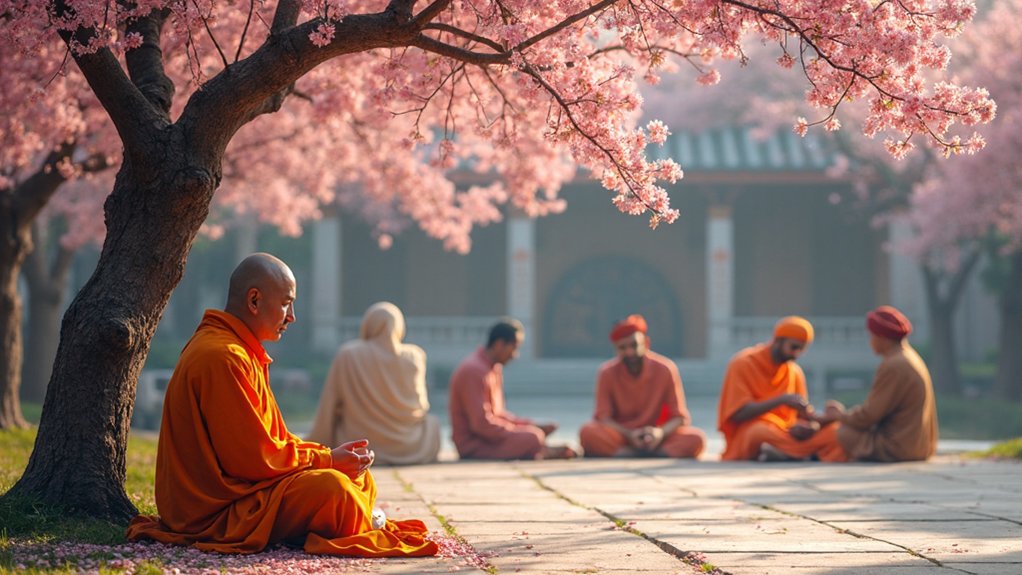
Religions that do not recognize christmas holiday (image: Abpray)
So which major religions fall into this category, and what are their reasons for not observing such a widely celebrated holiday? Let’s explore the beliefs, customs, and worldviews that set these religions apart.
Before understanding why some religions don’t observe Christmas, it’s helpful to recognize what Christmas represents to those who do celebrate it. Around the world, Christmas celebrations are associated with joy, unity, and cultural traditions. Families decorate Christmas trees, exchange thoughtful gifts, and prepare festive meals. Many communities organize concerts, caroling events, public light displays, and charitable activities that reinforce the spirit of giving.
For Christians, Christmas is primarily a religious holiday honoring the birth of Jesus Christ. Religious services, nativity reenactments, and spiritual reflections are common parts of the season. In many countries, however, Christmas has also become a cultural and commercial holiday, celebrated by people of diverse backgrounds for its family-oriented and festive atmosphere.
Still, not all cultures or belief systems participate in Christmas. For many groups, Christmas simply does not align with their religious teachings, historical traditions, or spiritual priorities.
Major Religions That Do Not Recognize Christmas
Several major religions don’t recognize Christmas because the holiday does not play a role in their religious texts, foundational beliefs, or ritual calendars. Here are the primary ones:
Judaism
Judaism is one of the most well-known religions that doesn’t celebrate Christmas. Instead of honoring Jesus’ birth, Jewish families celebrate Hanukkah, a festival dating back to the rededication of the Second Temple in Jerusalem. Hanukkah focuses on themes of perseverance, miracles, and religious freedom—not on the life of Jesus, who is not considered a divine figure in Judaism.
Islam
Islam also does not recognize Christmas. Muslims view Jesus as a respected prophet, but not as the divine Son of God. Because of this, Christmas holds no religious significance in Islam. Instead, Muslims celebrate Eid al-Fitr and Eid al-Adha, two major holidays grounded in the teachings of the Quran and the life of the Prophet Muhammad. These celebrations center on prayer, charity, family gatherings, and gratitude.
Buddhism
Buddhism is another major religion that doesn’t celebrate Christmas in a religious sense. While some Buddhists may participate in Christmas festivities for cultural or social reasons, the holiday does not reflect Buddhist teachings. Instead, significant Buddhist celebrations include Vesak, which honors the birth, enlightenment, and death of Buddha.
Hinduism
Hinduism also does not incorporate Christmas into its religious calendar. Hindus celebrate holidays such as Diwali, Navratri, and Holi, each rich in symbolism and mythology. Diwali, often called the “Festival of Lights,” is one of the most widely recognized Hindu celebrations and reflects themes of hope, renewal, and the triumph of light over darkness.
Other Faiths
Additional religions that don’t celebrate Christmas include:
Sikhism, which focuses on celebrations like Guru Nanak Gurpurab.
Shinto, which highlights seasonal festivals tied to nature and tradition.
Taoism, which has its own spiritual celebrations not connected to Christmas.
These religions prioritize their unique rituals and traditions, making Christmas unnecessary—or even inappropriate, within their belief systems.
Theological Reasons for Non-Celebration
One of the most important factors behind non-celebration of Christmas is theological belief. Different religions decline to celebrate Christmas for reasons that include:
1. Jesus Is Not Viewed as Divine
In Judaism and Islam, Jesus is respected but not worshipped. Because Christmas centers on the divine birth of Jesus, participating in the holiday would conflict with their religious doctrines.
2. Christmas Has No Scriptural Basis
Some faiths emphasize practices with strong scriptural or historical origins. Since Christmas is not mentioned in texts such as the Torah, Quran, Vedas, Tripitaka, or Guru Granth Sahib, followers may see no need to celebrate it.
3. Concern Over Syncretism
Some groups avoid Christmas because they believe it blends Christian doctrine with pre-Christian traditions. For instance, certain Christian denominations such as Jehovah’s Witnesses and some Protestant groups also choose not to celebrate Christmas for theological reasons.
4. Focus on Other Religious Priorities
Many religions simply have their own sacred calendar. Shifting attention to Christmas could distract from long-standing spiritual commitments and observances.
Cultural Perspectives on Christmas
Christmas is celebrated in countless ways worldwide, which leads to diverse cultural perspectives on Christmas. Some cultures embrace Christmas as a joyful, secular tradition even without religious ties. Others view it as overly commercialized or as a holiday that does not reflect their cultural values.
For many communities, choosing not to celebrate Christmas is not a rejection of the holiday itself, but simply an affirmation of their own traditions. Some people observe different year-end holidays, such as:
Dongzhi Festival in parts of East Asia
Kwanzaa in African-American communities
New Year celebrations tied to lunar or seasonal cycles
Understanding these diverse perspectives enriches the global conversation on holiday traditions.
Alternative Holidays Celebrated by Non-Christian Religions
Exploring alternative holidays celebrated by non-Christian religions reveals a vibrant mosaic of global celebrations. Some of the most significant include:
Hanukkah (Judaism)
A celebration of resilience, miracle, and dedication, marked by lighting the menorah and sharing traditional foods.
Diwali (Hinduism)
A spectacular festival of lights celebrating renewal, prosperity, and the victory of light over darkness.
Eid al-Fitr and Eid al-Adha (Islam)
Deeply spiritual holidays highlighting gratitude, community, sacrifice, and charity.
Vesak (Buddhism)
A calm, reflective celebration of Buddha’s teachings and life events.
These alternative holidays demonstrate that not celebrating Christmas does not mean lacking joy, meaning, or festive traditions.
Impact of Non-Celebration on Religious Identity
The decision to not celebrate Christmas can significantly shape an individual’s religious identity. For many, the impact of non-celebration on religious identity strengthens their connection to their faith. It allows people to focus on spiritual principles that matter most to them without blending in external religious traditions.
Non-celebration can also reinforce community bonds, offering members a sense of belonging and shared belief. By emphasizing their unique customs and rituals, these groups celebrate their cultural and spiritual heritage with clarity and pride.
Conclusion
Understanding how to identify religions that don’t celebrate Christmas helps foster respect and appreciation for the diversity of global belief systems. By recognizing the theological reasons, cultural perspectives, and alternative celebrations of these religions, you gain a more inclusive view of the world.
Exploring religions that don’t celebrate Christmas reveals that every community has its own meaningful way of honoring spiritual values and celebrating life. Through learning, curiosity, and open-mindedness, you can better appreciate the rich traditions that shape our shared human experience.