Published on October 11, 2025 at 4:00 PMUpdated on October 11, 2025 at 4:00 PM
When exploring the many branches of Christianity, one question naturally arises: why does Catholicism differ from other Christian denominations? While all Christians share a belief in Jesus Christ, the ways in which they interpret Scripture, worship, and practice their faith can vary significantly. Catholicism stands out because of its ancient roots, its strong emphasis on tradition, its sacramental system, and the central authority of the Pope. Understanding these distinctions is essential for anyone looking to gain a deeper and more accurate picture of the Christian world.
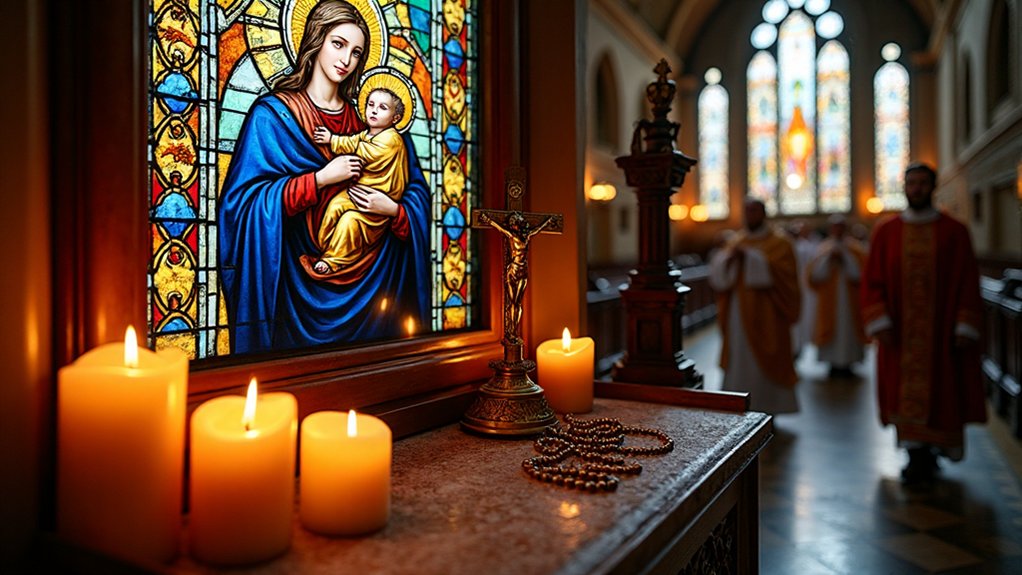
Differences between Catholicism and other Christian faiths (image: Abpray)
In this comprehensive guide, we explore in detail what makes Catholicism unique, diving into its historical origins, the importance of tradition, sacramental theology, papal authority, and the Catholic understanding of salvation. Each section is crafted to help you understand why Catholicism differs from other Christian faiths while providing clear and useful information optimized for SEO.
The historical origins of Catholicism stretch back more than two thousand years, making it the oldest and largest branch of Christianity. Unlike other Christian denominations that emerged centuries later, Catholicism views itself as the continuation of the Church founded by Jesus Christ. Catholics believe that Jesus entrusted his mission to the apostles, appointing Peter as the leader, and that the unbroken line of successors, through what is known as apostolic succession, formed the structure of the Catholic Church.
These historical origins explain why Catholicism places great emphasis on continuity, authority, and unity. While Protestant denominations arose during the 16th-century Reformation, largely in response to disagreements about doctrine and Church governance, Catholicism maintained its original structure, rituals, and sacramental system. Understanding these historical origins of Catholicism helps explain why the Church remains rooted in ancient teachings that shape its distinct identity today.
The historical continuity of Catholicism is one of the major reasons it differs from other Christian faiths. It preserves traditions that date back to the early Christian communities, giving Catholics a strong sense of connection with the past and a deep awareness of their role within a long-standing spiritual lineage.
The Role of Tradition in Catholic Belief
One of the most defining features of Catholicism is the central role of Tradition. For Catholics, divine revelation comes from two sources: Sacred Scripture and Sacred Tradition. Tradition includes the teachings, practices, writings, and interpretations passed down through the centuries under the guidance of the Church.
This is one of the key ways Catholicism differs from other Christian faiths, especially Protestant denominations, which typically emphasize Scripture alone (sola scriptura). In contrast, Catholic belief holds that God’s revelation is preserved not only in the Bible but also in the lived experience and teachings of the Church.
Tradition shapes everything in Catholic life, including:
The liturgy and structure of the Mass
The celebration of sacraments
Teachings on morality and salvation
Devotions such as the Rosary
The veneration of saints
Because tradition in Catholic belief is considered essential, the Catholic Church maintains rituals that are centuries old while continuously interpreting them in ways that apply to modern life. This blend of stability and adaptability helps explain the lasting influence of Catholicism around the world.
Sacraments: Catholic Practices vs. Other Denominations
A major distinction between Catholicism and other Christian denominations is the Catholic understanding of the seven sacraments. These sacraments—Baptism, Confirmation, Eucharist, Reconciliation, Anointing of the Sick, Holy Orders, and Matrimony, are considered visible signs of God’s grace and essential to the spiritual journey.
While some Christian denominations recognize only two sacraments (Baptism and Communion), others treat sacraments as symbolic rather than transformative. Catholicism, however, teaches that the sacraments actually transmit grace and mark important stages in a believer’s life.
For example:
The Eucharist is believed to be the real presence of Christ, not merely a symbol.
Reconciliation involves confessing sins to a priest who acts with the authority passed down from the apostles.
Confirmation strengthens the gifts of the Holy Spirit received at Baptism.
These sacramental practices highlight why Catholicism differs from other Christian faiths: they reflect a deep theological commitment to ritual, community, and the physical signs of God’s presence.
Understanding the role of sacraments in Catholic practices versus other denominations offers valuable insight into the diversity within Christianity and the different ways believers experience their faith.
Authority of the Pope Compared to Other Christian Leaders
Another defining characteristic of Catholicism is the authority of the Pope. Catholics believe that the Pope, as the successor of Saint Peter, holds the highest spiritual authority on earth. His role involves guiding the Church, interpreting Scripture, safeguarding doctrine, and promoting unity among Catholics worldwide.
This central authority of the Pope is one of the clearest differences between Catholicism and other Christian denominations. While the Catholic Church operates under a hierarchical system, many Protestant denominations have more decentralized leadership models. Some rely on elected councils, while others empower individual pastors or congregations to make decisions independently.
The authority of the Pope provides Catholics with a clear and unified source of guidance. This leadership structure helps maintain consistency in teachings and practices across the globe, contributing to the strong identity and cohesion within the Catholic Church.
The Concept of Salvation in Catholicism vs. Other Faiths
The Catholic understanding of salvation is another key area where Catholicism differs from other Christian traditions. In Catholicism, salvation is viewed as a lifelong journey that involves:
Faith
Good works
Obedience to God’s commandments
Participation in the sacraments
Growth in holiness
While many Protestant denominations emphasize salvation through faith alone (sola fide), Catholicism teaches that faith must be lived out through actions inspired by God’s grace. This holistic approach to salvation reflects the Catholic belief that faith and works are interconnected rather than separate.
Catholics also believe that the Church plays an essential role in the process of salvation by guiding believers, offering sacraments, and providing spiritual direction. This communal aspect of salvation is another reason Catholicism differs from other Christian faiths, many of which focus primarily on personal or individual relationships with God.
Conclusion
Catholicism differs from other Christian faiths in meaningful and profound ways. Its ancient historical origins, strong reliance on tradition, seven-sacrament system, centralized leadership under the Pope, and holistic understanding of salvation all contribute to its unique identity within the Christian world.
By exploring why Catholicism differs from other Christian denominations, you gain a deeper understanding of the richness, structure, and spiritual heritage of the Catholic faith. Whether you are studying different Christian traditions or simply curious about the distinctions, recognizing what makes Catholicism unique helps you appreciate the diversity and depth of Christianity as a whole.