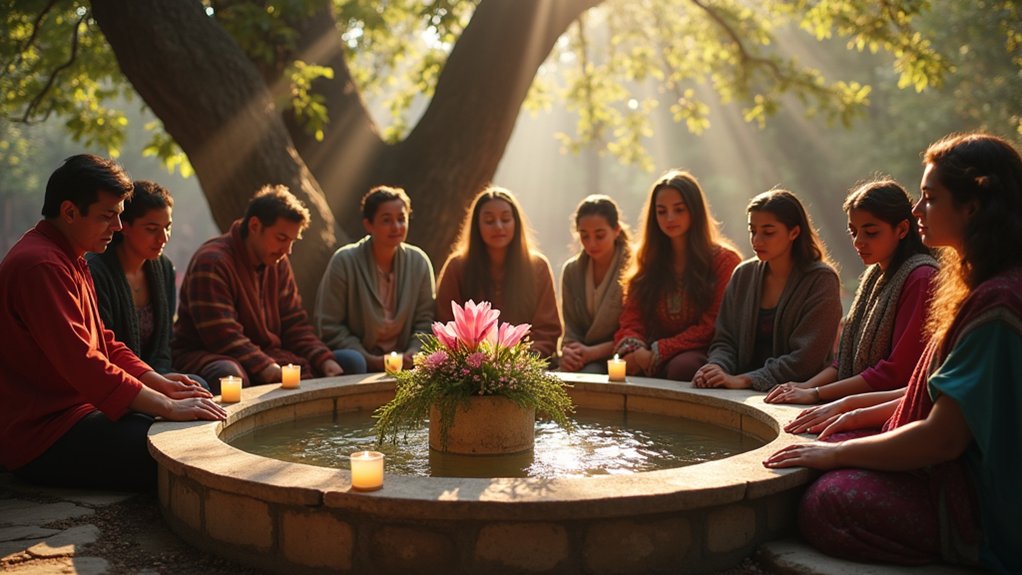
Faith in community is more than a shared belief, it is a powerful force that shapes relationships, nurtures resilience, and strengthens the social fabric of entire groups. Across cultures and religions, communities rooted in faith offer individuals a place to belong, grow, and find support. In today’s rapidly changing world, this sense of connection has become more important than ever. Faith-based communities provide unity in diversity, offer emotional comfort, and encourage people to practice compassion and service in meaningful ways.
But what makes faith in community so transformative? Why do people feel more grounded, supported, and empowered when they connect through shared spiritual values?
This in-depth guide explores the many ways faith strengthens community life, from emotional support and moral development to leadership, charity, and inclusivity.
Building Social Bonds Through Shared Beliefs
One of the strongest benefits of faith in community is its ability to build deep social bonds. Shared beliefs bring people together, transcending cultural, linguistic, and generational differences. Whether through traditional religions or modern spiritual movements, communities thrive when their members unite around common values, rituals, and teachings.
Rituals That Strengthen Connection
Activities such as prayer, meditation, singing, seasonal festivals, and spiritual gatherings create rhythms of togetherness. These shared practices provide:
- A sense of belonging
- Affirmation of personal identity
- Opportunities to bond with others
Across faith traditions, spiritual rituals reinforce community values, giving people a way to express gratitude, mark important life transitions, and support one another.
Community Identity and Solidarity
As people continue to gather, cooperate, and celebrate together, shared beliefs evolve into shared identity. This sense of unity fosters compassion, cooperation, and mutual respect. Whether in small spiritual groups or large religious organizations, shared beliefs help maintain social stability and emotional harmony, building a foundation where individuals feel safe, supported, and connected.
Faith as a Source of Emotional Support
Faith in community plays a powerful role in providing emotional support during life’s most difficult seasons. When individuals struggle with loss, stress, anxiety, or uncertainty, faith-based networks offer comfort and companionship that extend far beyond simple advice.
Spiritual Companionship and Belonging
Many people turn to spirituality when seeking reassurance or meaning. Being surrounded by a supportive community allows individuals to share their struggles without fear of judgment. This emotional connection helps:
- Reduce feelings of isolation
- Build security and inner peace
- Strengthen emotional resilience
Spiritual companionship creates a safe space for people to express vulnerability, seek guidance, and find renewed hope.
Resilience Through Faith
Spiritual teachings often encourage patience, courage, and the belief that challenges can lead to growth. These values help individuals cope more effectively with crisis or loss. Combined with community encouragement, faith becomes a steady foundation during times of emotional strain.
For anyone exploring religion or spirituality, faith as a source of emotional support can lead to profound healing and clarity.
Promoting Acts of Service and Charity
Faith in community inspires action. Many religious and spiritual traditions emphasize compassion, charity, and service as essential parts of living out one’s beliefs.
Service as a Spiritual Practice
Community members often participate in activities such as:
- Serving meals to the hungry
- Providing shelter or support for the homeless
- Organizing donation drives
- Visiting the sick or elderly
- Volunteering in local outreach programs
These acts of service do more than meet immediate needs—they foster empathy, humility, and responsibility. Service becomes a spiritual path in itself, reinforcing the idea that helping others is a meaningful expression of faith.
Strengthening the Broader Community
When faith-based groups engage in charitable initiatives, they contribute to social development and improve overall community well-being. These efforts build bridges between people of different backgrounds and promote cooperation across social boundaries.
Through these acts of service and charity, spirituality becomes a force for real-world impact, helping communities grow stronger, kinder, and more unified.
Creating Inclusive Spaces for Diversity
True spiritual communities recognize the value of diversity. As the world becomes more interconnected, many faith groups intentionally create inclusive spaces where people of all cultures, backgrounds, and beliefs feel respected and welcomed.
Embracing Interfaith Dialogue
Interfaith discussions help reduce barriers, correct misconceptions, and promote understanding. Inclusive communities encourage:
- Open conversations
- Respectful dialogue
- Cultural exchange
- Collaboration on shared goals
This inclusivity strengthens the community by honoring different perspectives and recognizing the shared human desire for meaning, belonging, and connection.
Unity Within Diversity
Communities that embrace diversity naturally cultivate harmony. By listening to each other’s experiences and acknowledging different spiritual journeys, people learn to celebrate both individuality and collective values. This balance enhances mutual respect and supports peaceful coexistence.
Strengthening Moral and Ethical Foundations
Faith communities often play a vital role in shaping moral and ethical values. Through teachings, communal expectations, and shared beliefs, people learn how to navigate life with integrity, consideration, and purpose.
A Guide for Ethical Decision-Making
Religious and spiritual frameworks provide guidance for daily life, helping individuals understand:
- What is right and just
- How to treat others with respect
- The importance of accountability
- How to contribute responsibly to society
These values help regulate behavior, build trust, and create a stable environment where people can thrive.
Building Character and Integrity
Community settings reinforce moral lessons through shared experiences, group support, and collective reflection. This makes ethical principles not just abstract ideas but lived values that strengthen relationships and promote communal well-being.
Encouraging Resilience in Times of Crisis
Faith and resilience form a powerful partnership during difficult times. In moments of crisis, whether personal, social, or global, faith offers hope and a sense of direction.
Spiritual Tools for Stability
Simple but meaningful spiritual practices help individuals remain grounded:
- Prayer
- Meditation
- Mindfulness
- Scriptural reading
- Community gatherings
These practices help calm the mind, steady emotions, and bring clarity when life feels overwhelming.
Community as a Lifeline
During crises, faith communities often mobilize quickly: offering comfort, providing resources, and supporting those most affected. This collective support enables individuals to recover more quickly and encourages perseverance even under immense stress.
Inspiring Community Leadership and Engagement
Faith frequently ignites leadership. Many community leaders are motivated by a deep sense of spiritual responsibility to uplift others, promote justice, and address local needs.
Leadership Rooted in Values
Faith-driven leaders inspire participation by modeling compassion, service, and humility. Their guidance encourages:
- Inclusive community involvement
- Support for vulnerable groups
- Long-term engagement
- A shared sense of mission
Such leadership strengthens communities and helps members feel empowered to contribute.
A Catalyst for Transformation
When faith motivates collective action, individuals come together not only to solve immediate problems but also to build lasting solutions. This type of leadership creates resilient, thriving communities grounded in shared values.
Conclusion: The Enduring Power of Faith in Community
Faith in community is a remarkable force that brings people together through shared beliefs, practices, and values. It nurtures emotional support, strengthens moral foundations, and encourages acts of service that uplift entire neighborhoods. Faith also promotes inclusivity and diversity, allowing people from different backgrounds to connect with respect and understanding.
During challenging times, faith inspires resilience, courage, and hope. It also ignites leadership and civic engagement, fostering communities that are compassionate, active, and united.
In every tradition, ancient or modern, faith in community helps people grow, belong, and thrive together. It offers not only spiritual meaning but a deeper connection to humanity and purpose.

Linguist and Interfaith Dialogue Researcher: Amanda Torati is a linguist and postgraduate researcher dedicated to the study of interfaith dialogue and cultural expressions of faith. With a strong academic background in Languages and Linguistics, Amanda specializes in analyzing spiritual texts and universal values, seeking to build bridges between ancient traditions and modern reflection. At ABPray, Amanda applies her academic rigor and ethical sensitivity to ensure that every article fulfills our mission of promoting harmony and mutual respect. Her role is fundamental to our Human and Ethical Review process, where she uses her expertise to ensure doctrinal and historical fidelity while maintaining an inclusive and accessible tone. By combining her passion for research with a mindful approach, Amanda transforms complex themes into practical reflections for daily life, helping seekers from all backgrounds find meaning and inner peace. Her commitment to authenticity ensures that ABPray remains a reliable source of inspiration and knowledge within the global spiritual landscape.
Linguist and Interfaith Dialogue Researcher: Amanda Torati is a linguist and postgraduate researcher dedicated to the study of interfaith dialogue and cultural expressions of faith. With a strong academic background in Languages and Linguistics, Amanda specializes in analyzing spiritual texts and universal values, seeking to build bridges between ancient traditions and modern reflection. At ABPray, Amanda applies her academic rigor and ethical sensitivity to ensure that every article fulfills our mission of promoting harmony and mutual respect. Her role is fundamental to our Human and Ethical Review process, where she uses her expertise to ensure doctrinal and historical fidelity while maintaining an inclusive and accessible tone. By combining her passion for research with a mindful approach, Amanda transforms complex themes into practical reflections for daily life, helping seekers from all backgrounds find meaning and inner peace. Her commitment to authenticity ensures that ABPray remains a reliable source of inspiration and knowledge within the global spiritual landscape.